When the challenge of a crossword puzzle presents the clue "Ägyptische Pyramidenstadt" (Egyptian Pyramid City), one answer frequently emerges as the front-runner, often considered the most popular and fitting solution: Sakkara. This ancient site, rich in history and architectural marvels, isn't just a convenient four-letter word for solvers; it represents a pivotal moment in the evolution of ancient Egyptian civilization and monumental construction. Nestled on the west bank of the Nile, south of Cairo, Sakkara is far more than just a collection of pyramids; it is a sprawling, enduring necropolis that served the pharaohs and nobles of Memphis, the ancient capital, for millennia. Its significance extends from being the birthplace of stone architecture to a repository of invaluable historical insights, truly embodying the spirit of an "Ägyptische Pyramidenstadt."
Sakkara: The Heart of the Ancient Egyptian Pyramid Landscape
Sakkara stands as a monumental testament to human ingenuity and the enduring power of ancient Egyptian beliefs. For over 3,000 years, from the First Dynasty (c. 3100 BC) to the Roman period, it served as a burial ground for kings, queens, and high-ranking officials. However, its most profound legacy stems from the Old Kingdom, particularly the Third Dynasty, when it became the cradle of pyramid building.
The Architectural Genesis: Djoser's Step Pyramid
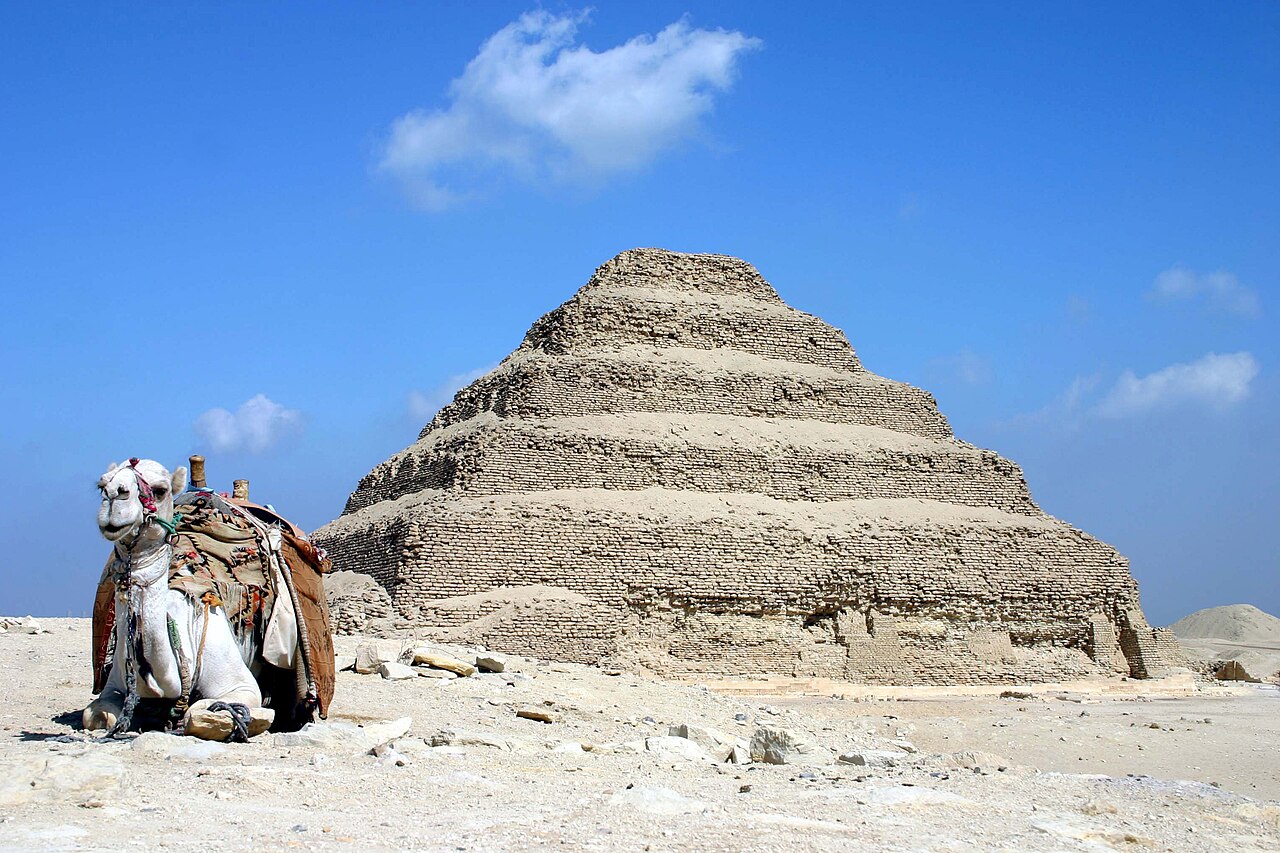
The star attraction, and indeed the reason Sakkara epitomizes an "Ägyptische Pyramidenstadt," is the Step Pyramid of Djoser. Commissioned by King Djoser and designed by his visionary vizier and architect, Imhotep, this structure represents a seismic leap in architectural history. Prior to Djoser's reign, royal tombs were typically mastabas – flat-roofed, rectangular structures made of mud-brick. Imhotep’s genius lay in stacking six progressively smaller mastabas atop one another, creating the world’s first monumental stone building and the very first pyramid. This innovative design not only provided a grander, more secure resting place for the king but also symbolized a stairway to the heavens, reflecting profound religious beliefs about the pharaoh's journey to the afterlife.
The Step Pyramid complex at Sakkara is not merely a pyramid; it's an entire ceremonial precinct enclosed by a massive limestone wall, mimicking the appearance of perishable structures from the royal palace. Inside, visitors can explore courtyards, temples, and dummy buildings, all designed to facilitate the king's eternal existence. This vast, integrated complex unmistakably paints Sakkara as a fully fledged "Ägyptische Pyramidenstadt," a city of the dead built with unprecedented ambition and skill.
A Necropolis for Kings and Nobles
Beyond Djoser's revolutionary structure, Sakkara is home to numerous other pyramids and a staggering array of private tombs. While often overshadowed by the grander pyramids of Giza, the later Old Kingdom pyramids at Sakkara, such as those of Userkaf, Unas, Teti, and Pepi I and II, are equally crucial for understanding the evolution of pyramid construction and religious texts. The Pyramid of Unas, for instance, houses the earliest known examples of the Pyramid Texts, a collection of magical spells and utterances designed to ensure the king's successful journey to the afterlife. These inscriptions offer invaluable insights into ancient Egyptian cosmology, rituals, and the pharaoh's divine role.
Furthermore, the extensive fields of mastaba tombs belonging to nobles and high officials reveal intimate details of daily life, professions, and social hierarchies in Old Kingdom Egypt. The Mastaba of Ti, with its exquisite reliefs depicting agricultural scenes, boat building, and vibrant wildlife, is a particular highlight. The Serapeum, a labyrinthine underground burial gallery for the sacred Apis bulls, also adds to Sakkara's mystique, showcasing the Egyptians' reverence for animals believed to be manifestations of deities.
The sheer density and diversity of monumental structures across its vast expanse firmly establish Sakkara as the archetypal "Ägyptische Pyramidenstadt." It was a place dedicated to eternity, a physical manifestation of ancient Egyptian civilization's profound connection to the afterlife, built on a scale that beggars belief.
Why Sakkara Dominates the "Ägyptische Pyramidenstadt" Crossword
For avid crossword enthusiasts, the clue "Ägyptische Pyramidenstadt" is a classic, and "Sakkara" (or "Sakara" in some variations) often springs to mind instantly. Several factors contribute to its popularity as an answer:
- Historical Prominence: Sakkara's role as the site of the first pyramid gives it an unmatched historical weight. When one thinks of "pyramid city," the place where the concept originated is highly fitting.
- Name Recognition: Despite its ancient origins, Sakkara is a well-known name in Egyptology and popular culture, making it accessible even to those with a casual interest in ancient Egypt.
- Conciseness: As a relatively short word (4-7 letters depending on spelling and language variations), it fits neatly into many crossword grids, a crucial element for puzzle construction.
- Unique Identity: While Giza has its iconic pyramids, it's often referred to simply as "Giza" or "The Pyramids of Giza." Sakkara, with its sprawling necropolis and the Step Pyramid, uniquely embodies the idea of a "city" of ancient funerary structures.
Cracking the Clue: Letter Lengths and Alternatives
The beauty of crossword puzzles lies in the possibility of multiple solutions depending on the given letter count. The "Ägyptische Pyramidenstadt" clue is a prime example. While Sakkara is frequently the star, the context suggests there are up to seven potential solutions known to solvers, with lengths ranging from a concise four letters to a slightly longer seven. This variety adds to the intrigue and challenge for puzzlers.
For those interested in exploring the full spectrum of answers and mastering this particular clue, detailed resources can shed light on the alternatives. Understanding the common letter constraints—from 4 to 7 letters—is key to unlocking the right solution for any specific puzzle. If you're keen to discover more possibilities and deepen your knowledge, you might find valuable insights by exploring Solving Egyptian Pyramid City: 7 Crossword Answers Revealed. Furthermore, for a focused look at how letter counts influence the answer, considering Egyptian Pyramid City: Cracking Clues from 4 to 7 Letters can provide practical tips and expand your crossword solving repertoire for this fascinating category.
Exploring Sakkara: Tips for the Modern Discoverer
For anyone inspired by the history of the "Ägyptische Pyramidenstadt" and looking to experience it firsthand, Sakkara offers an unforgettable journey back in time. Here are some practical tips to make the most of your visit:
- Plan Your Visit: Sakkara is a vast site. Allocate at least half a day, or even a full day if you want to explore thoroughly. Combining it with a visit to Memphis (the ancient capital, located nearby) makes for a comprehensive historical tour.
- Hire a Guide: While you can explore independently, a knowledgeable Egyptologist guide will unlock the deeper stories and significance of each structure, transforming your visit into a richer educational experience.
- Comfortable Footwear: Expect a lot of walking over uneven terrain, sand, and dust. Comfortable, sturdy shoes are a must.
- Sun Protection: The Egyptian sun can be intense. Bring a hat, sunglasses, and high-SPF sunscreen.
- Hydration: Carry plenty of water, especially during warmer months.
- Explore Beyond the Step Pyramid: While Djoser's pyramid is iconic, don't miss the Serapeum, the Mastaba of Ti, and the pyramids of Unas and Teti for their unique features and Pyramid Texts. Many tombs allow interior access, offering a cool respite and incredible ancient art.
- Consider Early Morning: Arriving early helps beat the crowds and the midday heat, offering a more serene experience of this ancient "Ägyptische Pyramidenstadt."
Beyond Sakkara: Other Notable Egyptian Pyramid Sites
While Sakkara holds a special place as a primary "Ägyptische Pyramidenstadt," it’s important to remember that it is part of a larger tapestry of pyramid-building sites in ancient Egypt. Giza, with its Great Pyramid of Khufu, Khafre, and Menkaure, remains perhaps the most globally recognized. However, other significant sites like Dahshur (home to the Bent Pyramid and the Red Pyramid, representing critical stages in pyramid evolution), Abusir (known for its Old Kingdom pyramids and solar temples), and Meidum (the site of the collapse of an early pyramid) all contribute to the narrative of ancient Egyptian monumental architecture. Each of these locations, in its own right, could be considered a form of "Ägyptische Pyramidenstadt," showcasing different eras and innovations in this awe-inspiring architectural tradition. Yet, it is Sakkara, with its pioneering Step Pyramid and vast necropolis, that often comes to mind first when considering a singular "pyramid city" that embodies the genesis and long-term development of this iconic form.
In conclusion, Sakkara's status as the most popular answer for the "Ägyptische Pyramidenstadt" crossword clue is richly deserved. It is not merely an archaeological site but a profound historical landscape that encapsulates the aspirations, beliefs, and architectural genius of ancient Egypt. From the groundbreaking Step Pyramid of Djoser to the intricate mastaba tombs and the sacred Serapeum, Sakkara offers an unparalleled glimpse into the world's first true "pyramid city," a place where the living created monuments for eternity, forever shaping human civilization and inspiring wonder in all who visit.